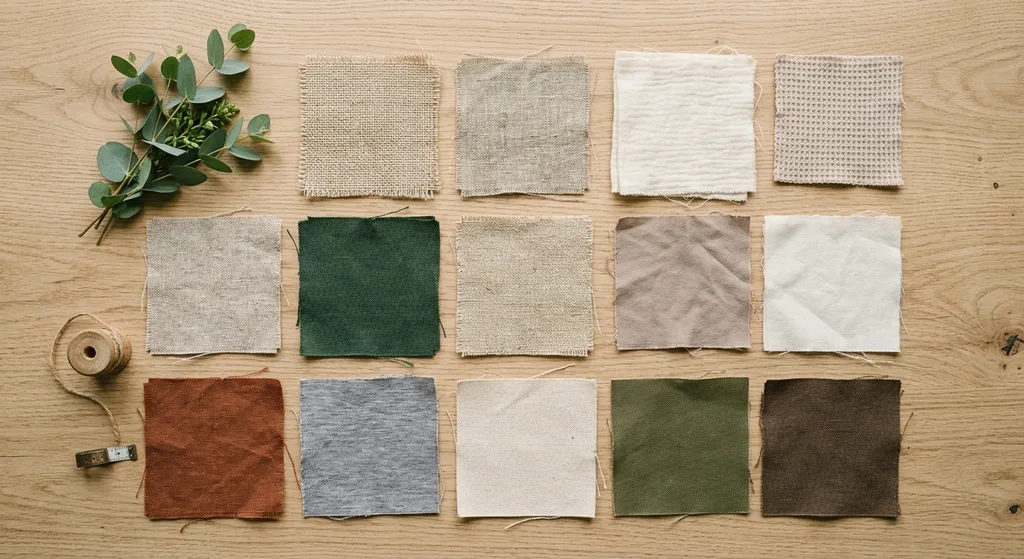
Sustainable Apparel Materials: A Guide to Eco-Friendly and Protective Fabric Choices
From organic cotton and hemp to recycled synthetics and plant-based protective coatings, this guide breaks down the most important sustainable apparel materials and how they intersect with high-performance shielding fabrics.
Sustainable Apparel Materials: A Guide to Eco-Friendly and Protective Fabric Choices
The fashion and textile industry is one of the largest contributors to global environmental strain, accounting for a significant share of water use, chemical pollution, and carbon emissions each year. As consumers and brands alike reckon with this reality, the demand for sustainable apparel materials has grown from a niche interest into a mainstream movement. But sustainability in fabric is not just about being kind to the planet — it is also about rethinking how protective, functional, and shielding textiles can be produced with a lower environmental footprint. This guide explores the most important eco-friendly fabric categories, what makes them genuinely sustainable, and how they intersect with the growing field of shielding and performance fabrics.
What Makes an Apparel Material Truly Sustainable?
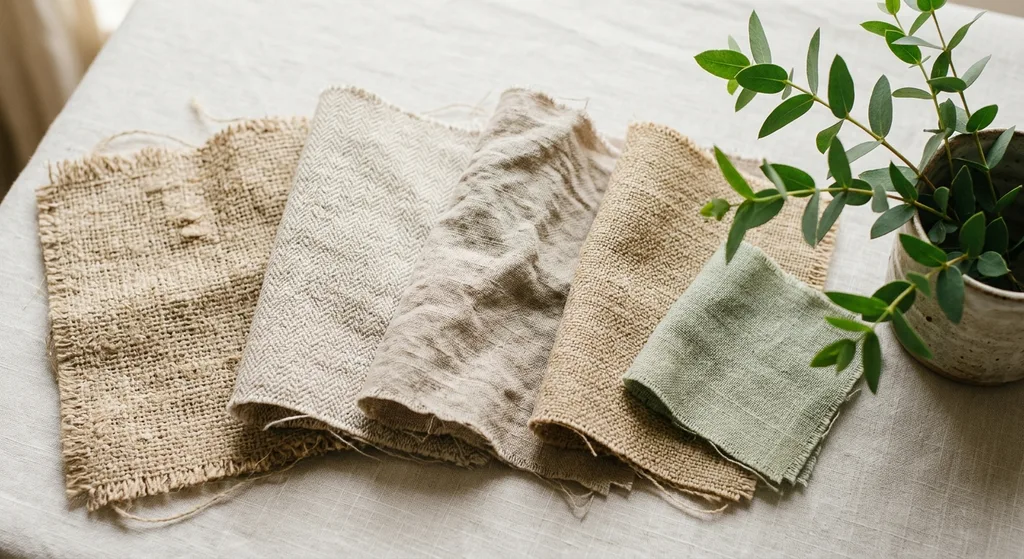
The word "sustainable" gets applied loosely in the textile world, so it helps to have a clear framework. A genuinely sustainable apparel material should score well across several dimensions:
- Raw material sourcing: Is the fiber grown, harvested, or synthesized with minimal harm to ecosystems and communities?
- Processing and dyeing: Are the chemicals used in finishing, dyeing, and treatment benign, biodegradable, or tightly controlled?
- Water and energy consumption: Does production conserve water and rely on renewable energy where possible?
- End-of-life recyclability: Can the fabric be composted, recycled, or repurposed rather than ending up in a landfill?
- Durability: Does the material last long enough to offset the energy and resources spent making it?
No single material checks every box perfectly, but understanding these criteria helps consumers and designers make more informed choices — especially when those fabrics also need to perform specific shielding or protective functions.
Natural Fibers With a Lower Environmental Impact
Natural fibers have been used in clothing for millennia, and several of them offer compelling sustainability credentials when grown and processed responsibly.
Organic cotton is among the most recognizable. Compared to conventional cotton, organic cultivation eliminates synthetic pesticides and fertilizers, reducing chemical runoff into waterways and protecting soil biology. It still uses significant water, which is why brands and certifiers increasingly pair organic cotton sourcing with water-stewardship programs.
Hemp is one of the most promising fibers in the sustainable apparel space. It grows rapidly with minimal water, requires no pesticides, and actually conditions the soil it is grown in. Hemp fabric is naturally durable, breathable, and UV-resistant — properties that translate well into protective garment applications. As processing technology improves, hemp textiles are becoming softer and more versatile without losing their inherent strength.
Linen, derived from flax, shares many of hemp's advantages. Flax requires little irrigation and can be grown on marginal land not suited to food crops. Linen fabric is long-lasting, biodegradable, and has a naturally low-allergen profile, making it suitable for sensitive skin.
Wool, when sourced from farms practicing regenerative grazing, can be a carbon-sequestering fiber. It is naturally flame-resistant, temperature-regulating, and biodegradable — attributes that make it valuable not just for everyday wear but for specialized protective garments as well.
Recycled and Regenerative Synthetic Fibers
Not all synthetic fibers are created equal, and the recycled synthetics category has seen remarkable innovation over the past decade.
Recycled polyester (rPET) is produced by melting down post-consumer plastic bottles or even ocean-recovered plastic and extruding it into fiber. While virgin polyester is a petroleum product with a heavy carbon footprint, rPET can reduce energy use by up to 30 to 50 percent compared to its conventional counterpart, and it diverts plastic waste from landfills and oceans. It retains polyester's performance qualities — moisture wicking, tensile strength, and resistance to shrinking — making it widely used in activewear, outdoor gear, and performance shielding fabrics.
Recycled nylon, often sold under trade names sourced from pre-consumer waste or discarded fishing nets, offers similar environmental benefits. Nylon's natural durability means garments made from recycled nylon tend to have long service lives, which compounds the sustainability benefit.
Lyocell and Tencel deserve special mention as semi-synthetic fibers. Produced from sustainably harvested wood pulp in a closed-loop solvent process that recaptures and reuses the vast majority of chemicals involved, these fibers combine the softness of natural cellulosics with good drape and moisture management. They are also biodegradable under the right conditions.
Sustainable Shielding Fabrics: Where Ecology Meets Protection
The intersection of sustainability and protective performance is where some of the most exciting material science is happening today. Shielding fabrics — textiles engineered to block UV radiation, electromagnetic frequencies (EMF), heat, or physical abrasion — have historically relied on heavy metal coatings, PFC-based water repellents, and energy-intensive processes. Sustainable innovation is changing that equation.
Researchers and manufacturers are developing plant-based coatings that can impart water repellency without perfluorocarbons (PFCs), the so-called "forever chemicals" that accumulate in ecosystems and human tissue. Bio-based wax coatings and silicone alternatives are gaining traction as durable water repellent (DWR) replacements.
For EMF shielding, silver has traditionally been the conductive element of choice, woven into fabric structures to create a Faraday-like barrier. The sustainability challenge is silver mining, which is resource-intensive. Emerging alternatives include conductive fibers derived from carbon, copper with recycled content, and graphene-enhanced textiles that can provide shielding performance with a reduced material footprint.
UV-protective fabrics made from tightly woven natural fibers — particularly hemp and linen — offer passive solar protection without any chemical finishing. This is a meaningful advantage for consumers looking to minimize synthetic treatments on their skin and in the environment.
Certifications and Standards to Look For
Navigating sustainability claims in the apparel market is easier when you know which third-party certifications carry genuine weight. Here are the most widely recognized:
- GOTS (Global Organic Textile Standard): Covers organic fiber production and socially responsible processing from farm to finished fabric.
- OEKO-TEX Standard 100: Tests finished textiles for harmful substances, protecting both wearers and production workers.
- Bluesign: Focuses on responsible resource use, worker safety, and consumer safety throughout the supply chain.
- Cradle to Cradle Certified: Evaluates material health, recyclability, renewable energy use, water stewardship, and social fairness.
- Recycled Content Standard (RCS) and Global Recycled Standard (GRS): Verify the percentage of recycled material in a product.
When evaluating shielding or performance fabrics specifically, look for transparency about what coatings, finishes, or conductive materials are used, and whether those components have been independently tested for safety and environmental impact.
Making Informed Choices as a Consumer or Designer
Whether you are a consumer updating your wardrobe or a designer sourcing materials for a new line, a few practical principles can guide better decisions in the sustainable apparel space.
First, prioritize durability over novelty. The most sustainable garment is one you wear for years, not one made from a headline-grabbing material that wears out quickly. Ask about pilling resistance, colorfastness, and washability before committing to a material.
Second, look at the full product story. A recycled fiber processed with toxic dyes in an unregulated facility is not truly sustainable. Seek brands that publish supply chain transparency reports and hold credible certifications.
Third, consider care requirements. Fabrics that require dry cleaning, high-temperature washing, or frequent replacement have higher lifetime environmental costs. Opt for materials that wash well at cooler temperatures and air-dry easily.
Finally, do not dismiss performance fabrics outright. When a shielding or protective textile helps someone avoid a health risk or reduces the need for other chemical interventions — such as UV-protective clothing that reduces sunscreen dependence — the lifecycle analysis can be favorable even if the material is more complex than a simple natural fiber.
Conclusion: The Future of Sustainable Apparel Materials
Sustainable apparel materials are no longer a compromise between environmental responsibility and performance. Advances in fiber science, processing chemistry, and textile engineering are closing the gap between what is good for the planet and what works well in demanding applications — including shielding and protective fabrics. By understanding the key attributes of leading sustainable materials, recognizing meaningful certifications, and asking the right questions about supply chains, both consumers and industry professionals can drive meaningful change. The choices made at the fiber level ripple outward, influencing water systems, communities, and the long-term health of the textile economy. Choosing thoughtfully is one of the most practical ways to participate in that change.
By the Editorial Team
Frequently asked questions
What is the most sustainable fabric material overall?
No single fabric is perfect across every metric, but hemp is consistently ranked among the most sustainable options due to its low water needs, absence of pesticide requirements, soil-enriching properties, and natural durability. Recycled polyester is also highly regarded for diverting plastic waste from landfills while retaining strong performance characteristics.
Can shielding or protective fabrics be sustainable?
Yes. Advances in textile science have produced shielding fabrics that use plant-based water-repellent coatings instead of PFCs, recycled or lower-impact conductive fibers for EMF protection, and tightly woven natural fibers for UV shielding — all with a reduced environmental footprint compared to older approaches.
How do I know if a brand's sustainability claims are genuine?
Look for independently verified certifications such as GOTS, OEKO-TEX Standard 100, Bluesign, or the Global Recycled Standard (GRS). Brands that publish transparent supply chain information and third-party audit results are generally more credible than those relying solely on marketing language.
Is recycled polyester better than organic cotton from a sustainability standpoint?
It depends on the use case and the specific metrics prioritized. Recycled polyester excels at diverting plastic waste and uses less energy than virgin polyester, but it can shed microplastics during washing. Organic cotton avoids synthetic pesticides and is biodegradable, but requires more water. The best choice often depends on the garment's intended function, care requirements, and expected lifespan.
Discussion
Join the conversation
Share your perspective and connect with other readers.