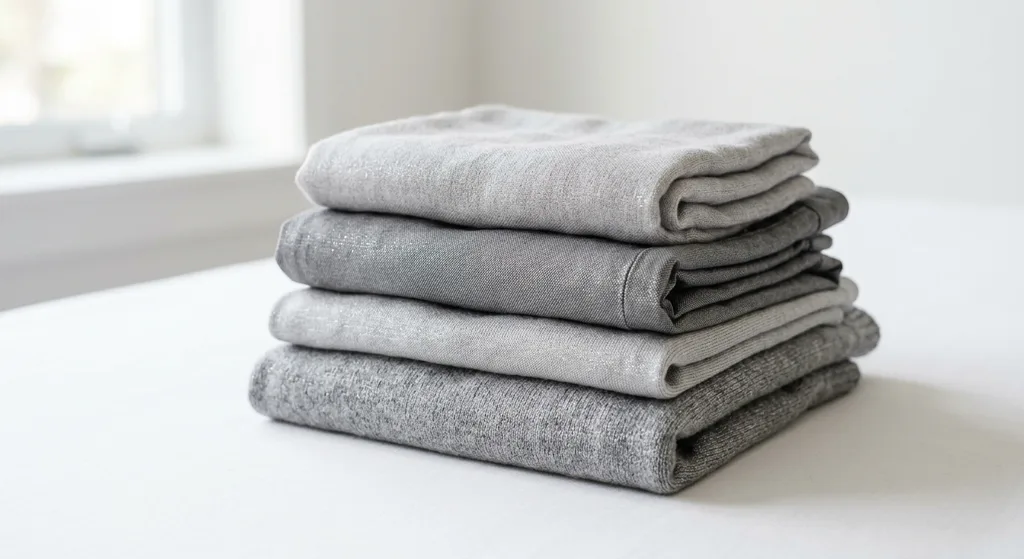
Radiation Protection Wear: What It Is, How It Works, and What to Look For
Radiation protection wear uses conductive silver or copper fibers to shield the body from everyday RF and ELF electromagnetic fields -- this guide explains the science, the research, and what to look for when shopping.
Radiation Protection Wear: What It Is, How It Works, and What to Look For
We live in an era of unprecedented wireless connectivity. Smartphones, Wi-Fi routers, smart home devices, and 5G networks all emit electromagnetic fields (EMF), and many people are growing curious about how everyday exposure may affect long-term wellness. One category of products drawing increasing attention is radiation protection wear -- clothing and accessories designed to shield the body from certain types of electromagnetic radiation. This guide explains what these garments are, the science behind their design, what the research says, and how to shop thoughtfully if you decide this type of protection aligns with your lifestyle.
Understanding the Types of Radiation in Everyday Life
Not all radiation is the same, and understanding the spectrum is the first step to making informed decisions. Radiation exists on a continuum from low-frequency fields to extremely high-frequency ionizing radiation:
- Extremely Low Frequency (ELF): Emitted by power lines, household wiring, and appliances.
- Radiofrequency (RF) radiation: Produced by cell phones, Wi-Fi, Bluetooth, and broadcast towers.
- Millimeter wave (mmWave): Used in some 5G networks and airport security scanners.
- Ionizing radiation: Includes X-rays and gamma rays; far more energetic and only encountered in specific medical or industrial settings.
Radiation protection wear is primarily aimed at the non-ionizing end of the spectrum -- specifically RF and ELF emissions from consumer electronics and wireless infrastructure. It is important to note that regulatory agencies such as the FCC and ICNIRP set exposure limits for these frequencies, and most consumer devices operate well within those thresholds. However, ongoing scientific debate about cumulative or long-term low-level exposure has led many individuals to explore precautionary measures, including shielding apparel.
How Radiation Protection Wear Actually Works
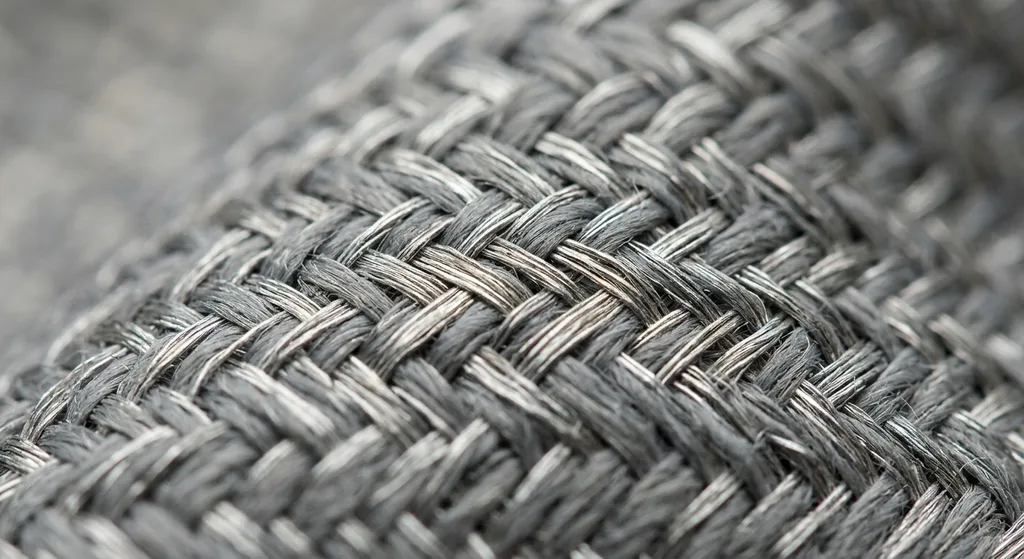
The core technology in EMF-shielding clothing is conductive fabric. Manufacturers weave or laminate metallic fibers -- most commonly silver, copper, or stainless steel -- into textile blends. These conductive elements create a mesh that reflects or absorbs incoming electromagnetic waves in a process loosely analogous to a Faraday cage.
Here is a simplified breakdown of the physics:
- Reflection: When an electromagnetic wave meets a conductive surface, a significant portion of it is reflected away rather than passing through the material.
- Absorption: Some wave energy is converted to a tiny amount of heat within the fabric itself and dissipated, never reaching the skin beneath.
- Attenuation: The net result is a measurable reduction -- expressed in decibels (dB) -- in the radiation that reaches the wearer. A fabric with 30 dB of shielding effectiveness blocks roughly 99.9% of the target frequency range.
Shielding effectiveness varies significantly by fabric composition, thread density, weave pattern, and the frequency range being targeted. A garment rated for RF frequencies between 100 MHz and 3 GHz may perform differently at 5G millimeter-wave frequencies. Always check independent lab-test data rather than relying solely on marketing claims.
Common Types of Radiation Protection Garments
The market has expanded well beyond niche medical use. Today you can find a wide range of shielding apparel designed to fit naturally into daily life:
- Shielding t-shirts and base layers: Worn close to the body, these are among the most popular options for general daily use. Silver-threaded knits provide comfort alongside protection.
- Maternity belly bands and clothing: Designed for expectant parents who want an added layer of precaution around the abdominal area during pregnancy.
- Beanies and head wraps: Target RF exposure near the head, especially for heavy smartphone or headset users.
- Underwear and boxers: Popular among men and women concerned about reproductive organ exposure from laptop or phone use.
- Gloves and sleeves: Useful for people who hold phones for extended periods or work near wireless equipment.
- EMF-shielding blankets and wraps: Positioned at the crossover between apparel and home goods; frequently used during pregnancy or while working with a laptop on the lap.
What the Research Says -- and What It Does Not
It is important to approach this topic with intellectual honesty. The body of peer-reviewed research on non-ionizing EMF exposure and human health is genuinely mixed. Some studies suggest associations between heavy cell phone use and certain biological markers; others find no significant effect at standard exposure levels. Major health agencies, including the World Health Organization, classify RF electromagnetic fields as "possibly carcinogenic to humans" (Group 2B) -- the same classification shared by coffee and pickled vegetables -- indicating limited evidence rather than established harm.
What this means practically is that radiation protection wear should be viewed as a precautionary lifestyle choice, not a medical treatment or guaranteed health intervention. No clothing manufacturer can legally or accurately claim that their product prevents illness or diagnoses any condition. If you have specific health concerns related to EMF exposure, consulting a qualified healthcare provider is always the appropriate first step.
That said, independent lab certifications do confirm that quality shielding fabrics achieve the attenuation levels claimed -- meaning the physics of shielding is real even when the biological necessity of that shielding remains an open scientific question.
Key Features to Evaluate When Shopping
If you decide radiation protection wear fits your wellness approach, evaluating products carefully will help you avoid overpaying for poor-quality items:
- Shielding effectiveness (dB rating): Look for garments independently tested at a certified laboratory. A rating of 20-40 dB across relevant frequency ranges is a credible baseline.
- Frequency range coverage: Confirm the garment is tested across frequencies relevant to your concern -- Wi-Fi (2.4 GHz and 5 GHz), LTE (700 MHz to 2.6 GHz), and ideally 5G sub-6 GHz bands.
- Fabric composition: Silver-fiber blends tend to offer both good conductivity and natural antimicrobial properties. Copper blends are also effective. Stainless-steel threads are durable but can be stiffer.
- Washability: Conductive fibers can degrade over repeated washing. Check manufacturer guidelines -- some recommend hand washing or machine washing in a laundry bag with mild detergent to preserve shielding performance.
- Comfort and fit: A shielding garment only works when worn consistently. Prioritize breathability, softness, and a fit that suits your daily routine.
- Third-party certifications: Look for references to testing standards such as IEEE or MIL-STD-461 shielding measurements, or internationally recognized textile safety standards.
Caring for Your Shielding Apparel
Even the best EMF-protective fabric will lose effectiveness if not maintained correctly. A few simple habits will extend the life and performance of your investment:
- Wash garments inside-out in cool or warm water -- not hot -- to preserve metallic fibers.
- Use a gentle, fragrance-free detergent and avoid fabric softeners, which can coat fibers and reduce conductivity.
- Air-dry when possible; high dryer heat can weaken fiber integrity over time.
- Store flat or gently folded to avoid sharp creases that stress the conductive mesh.
- Periodically check for pilling or wear in high-friction areas like underarms; degraded fabric may offer reduced shielding.
Conclusion: Making an Informed, Measured Choice
Radiation protection wear occupies an interesting space at the intersection of consumer technology, textile innovation, and personal wellness. The underlying physics of electromagnetic shielding is well-established, and quality garments demonstrably reduce RF exposure at the skin surface. Whether that reduction meaningfully affects long-term health outcomes in typical daily-life scenarios is a question that science has not yet definitively answered.
What is clear is that educated consumers deserve transparent, honest information. If reducing your personal EMF exposure feels like a reasonable precaution -- particularly during pregnancy, heavy device use, or simply as part of a broader wellness routine -- look for products with credible independent lab data, realistic claims, and quality construction. Treat shielding apparel as one thoughtful layer of a balanced approach to wellness, not as a standalone solution.
Editorial Team
Frequently asked questions
Does radiation protection clothing actually block EMF?
Quality shielding garments made with conductive silver or copper fibers do measurably reduce RF electromagnetic field exposure at the skin's surface, a fact confirmed by independent laboratory testing. However, the extent to which this reduction affects long-term health outcomes in everyday settings is still an open scientific question.
What frequency ranges do most EMF-shielding garments cover?
Most reputable products are tested across common consumer-device frequencies including Wi-Fi (2.4 GHz and 5 GHz), LTE cellular bands (700 MHz to 2.6 GHz), and increasingly 5G sub-6 GHz frequencies. Always check the product's lab-test documentation for the specific frequency range covered.
Is radiation protection wear safe to wear every day?
Garments made from silver or copper fiber blends are generally considered safe for regular daily wear. Look for products that also meet textile safety standards (such as OEKO-TEX) to ensure the fabric itself is free from harmful chemical residues.
How do I know if a shielding garment is high quality?
Look for independently certified shielding-effectiveness data (dB rating) from a recognized lab, clear disclosure of the fabric composition, and care instructions specific to preserving metallic fibers. Avoid products that make specific medical or health-outcome claims, as these are not scientifically substantiated.
Will washing ruin the shielding properties of EMF clothing?
Repeated washing can gradually degrade conductive fibers if done incorrectly. Following the manufacturer's care guidelines -- cool water, gentle detergent, no fabric softener, and air drying -- significantly extends the effective life of the shielding properties.
Discussion
Join the conversation
Share your perspective and connect with other readers.