Faraday Clothing: What It Is, How It Works, and What to Look For
Faraday clothing uses conductive silver, copper, or steel fibers woven into everyday garments to attenuate radiofrequency and low-frequency electromagnetic fields — here is what to know before you buy.
Faraday Clothing: What It Is, How It Works, and What to Look For
From smartphones and Wi-Fi routers to smart meters and 5G towers, electromagnetic fields (EMF) are a constant presence in modern life. While the science on long-term exposure is still evolving, a growing number of people are choosing to take a precautionary approach — and one of the most practical tools available today is faraday clothing. Named after the nineteenth-century physicist Michael Faraday, this category of wearable EMF protection is designed to shield the body from radiofrequency (RF) radiation and extremely low-frequency (ELF) fields. This guide breaks down exactly what faraday clothing is, how it works, what the research says, and how to evaluate your options.
The Science Behind the Faraday Principle
A Faraday cage is a conductive enclosure that blocks or attenuates electromagnetic fields. When an external electric field hits the conductive material, free electrons within the material redistribute themselves in a way that cancels the field inside the enclosure. The result is a shielded interior that the electromagnetic wave cannot meaningfully penetrate.

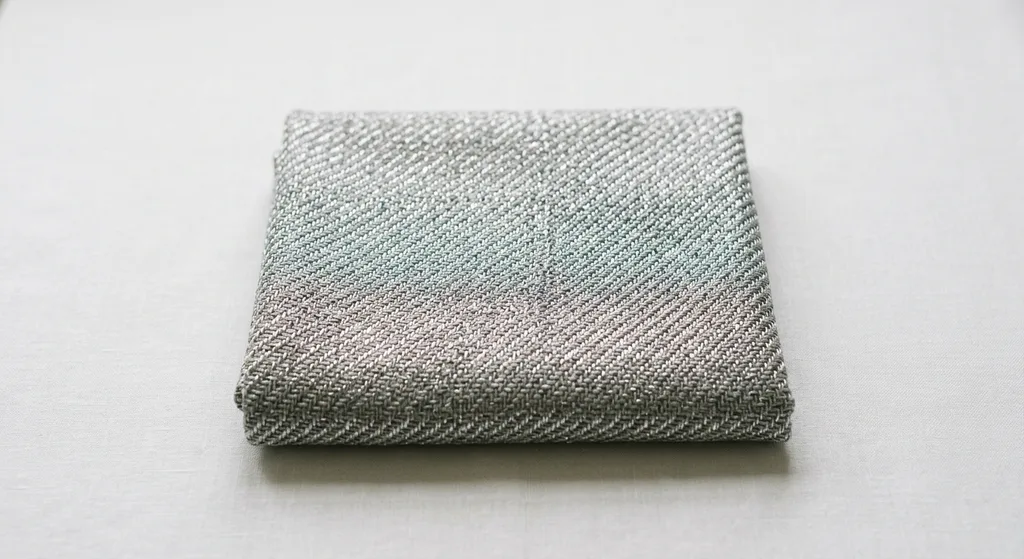
Faraday clothing applies this same principle to textiles. Instead of a rigid metal cage, manufacturers weave or coat fabrics with conductive fibers — most commonly silver, copper, or stainless steel — to create a flexible, wearable shield. The tightness of the weave, the conductivity of the metal content, and the percentage of conductive fiber all influence how effectively a garment attenuates incoming radiation.
It is worth noting that clothing cannot replicate a true, sealed Faraday cage because gaps inevitably exist at the neck, sleeves, and hem. However, well-constructed faraday garments can still reduce RF exposure to the covered body areas by meaningful margins, particularly when measured in decibels (dB) of attenuation.
What Types of Radiation Does Faraday Clothing Address?
Understanding which frequencies a garment is designed to shield helps you match the product to your specific concerns. Most faraday clothing targets two broad categories:
- Radiofrequency (RF) radiation: This includes signals from cell towers, Wi-Fi routers, Bluetooth devices, smart meters, and 5G infrastructure, typically ranging from around 100 MHz to 40 GHz or higher.
- Extremely low-frequency (ELF) fields: These originate from power lines, household wiring, and appliances, and operate at 50–60 Hz. Shielding ELF magnetic fields requires specialized materials with high magnetic permeability and is generally more challenging to achieve in a garment than RF shielding.
When reviewing a product, look for third-party lab test results that specify which frequency ranges were tested and the level of attenuation achieved. Reputable brands publish these data sheets or make them available on request.
Common Fabrics and Materials Used
The effectiveness of faraday clothing depends heavily on its construction. Here are the most common conductive materials you will encounter:
- Silver-threaded fabric: Silver is one of the most conductive metals and is prized for its antimicrobial properties as well. Many high-end faraday garments use silver-plated nylon or silver-coated polyester blended with cotton or other natural fibers for comfort.
- Copper-infused fabric: Copper also offers excellent conductivity and is sometimes less expensive than silver. It is commonly found in faraday blankets, bedding, and some base-layer garments.
- Stainless steel mesh: More durable and resistant to oxidation than copper, stainless steel threads are often used in heavier-duty garments or layering pieces designed for prolonged wear near high-EMF environments.
- Nickel and carbon coatings: Some manufacturers use nickel-coated or carbon-blended yarns, typically at a lower price point. These can still provide meaningful attenuation but may not match the performance of silver or copper at higher frequencies.
Always check the metal content percentage. A garment marketed as "silver fabric" may contain only a small fraction of silver fiber, which may not deliver the attenuation levels you expect.
How to Read Shielding Effectiveness Ratings
Shielding effectiveness (SE) is measured in decibels. A rating of 30 dB means the fabric blocks about 99.9 percent of the targeted frequency, while 20 dB means roughly 99 percent attenuation. Here is a quick reference:
- 10 dB: ~90% attenuation
- 20 dB: ~99% attenuation
- 30 dB: ~99.9% attenuation
- 40 dB: ~99.99% attenuation
For everyday precautionary use, many practitioners in the EMF-awareness community consider 20–30 dB across the relevant frequency range to be a reasonable benchmark for a quality garment. Laboratory conditions, however, may differ from real-world performance, so treat published SE figures as directional guides rather than absolute guarantees.
Also pay close attention to which frequencies were tested. A garment tested only at 900 MHz may perform very differently at 5 GHz Wi-Fi frequencies or millimeter-wave 5G bands.
Practical Tips for Choosing and Caring for Faraday Clothing
Selecting faraday clothing involves balancing shielding performance, comfort, durability, and budget. Keep these practical points in mind:
- Prioritize third-party testing: Look for brands that publish independent lab results from accredited testing facilities, not only in-house data.
- Consider your specific use case: A person seeking protection during sleep may want a faraday canopy or bedding liner, while someone working in a high-RF office environment might prefer a shielded undershirt or hoodie.
- Check washability: Conductive fibers can degrade with improper washing. Most faraday garments should be washed in cold water, on a gentle cycle, without bleach or fabric softeners. Some manufacturers recommend hand-washing to extend garment life and preserve SE ratings.
- Layer thoughtfully: Wearing a shielded base layer under regular clothing adds a degree of protection without sacrificing everyday style. However, be aware that gaps at openings reduce overall effectiveness.
- Inspect regularly: Repeated washing and wear can thin conductive fibers over time. If a garment shows pilling, fraying, or color loss in the conductive sections, its shielding effectiveness may have declined.
Who Tends to Seek Out Faraday Clothing?
Faraday clothing is purchased by a wide range of individuals, each with different motivations. Some are electrically hypersensitive (EHS) individuals who report physical discomfort in high-EMF environments. Others are parents seeking a precautionary measure for themselves or their children while the long-term health literature continues to develop. Professionals who work near powerful transmitters, radar installations, or dense cellular infrastructure may also use faraday garments as part of a broader occupational safety approach.
It is important to approach this category with balanced expectations. Current regulatory bodies, including the World Health Organization and the U.S. Federal Communications Commission, maintain that RF exposure at permitted levels does not pose established health risks for the general population. That said, many people choose to reduce their personal exposure as a precautionary measure, much as they might reduce other environmental exposures. If you have specific health concerns, consult a qualified healthcare provider rather than relying solely on protective clothing.
Conclusion
Faraday clothing brings a well-established physics principle into everyday wearables, offering a practical way to reduce radiofrequency and low-frequency electromagnetic field exposure to covered areas of the body. Whether you are new to EMF protection or looking to expand an existing routine, the key is to choose garments with independently verified shielding effectiveness ratings, understand which frequencies they address, and follow proper care instructions to maintain performance over time. As with any precautionary health measure, informed choices rooted in credible data are your best starting point.
Editorial Team
Frequently asked questions
Does faraday clothing actually block EMF radiation?
Yes, to a meaningful degree. Garments with sufficient conductive fiber content and a tight enough weave can attenuate radiofrequency radiation by 20 dB or more, which corresponds to roughly 99% reduction in the covered area. Performance varies by frequency range and garment construction, so reviewing third-party lab data is important.
What metals are most effective for faraday fabric?
Silver and copper are among the most conductive metals and are commonly used in high-performance faraday garments. Stainless steel threads offer strong durability, while nickel and carbon coatings provide more budget-friendly options with somewhat lower attenuation levels.
How do I wash faraday clothing without damaging it?
Most manufacturers recommend cold water, a gentle machine cycle or hand-wash, and no bleach or fabric softeners. Heat and harsh chemicals can degrade conductive fibers and reduce shielding effectiveness. Always follow the specific care label on the garment.
Is faraday clothing safe to wear every day?
Generally yes, though individual sensitivities to specific metals such as nickel should be considered. If you have known metal allergies, check the fabric composition carefully before purchasing and consult a healthcare provider if you have concerns.
Does faraday clothing protect against 5G frequencies?
Some faraday garments are tested at frequencies up to 10 GHz or higher, which covers many sub-6 GHz 5G bands. Coverage of millimeter-wave 5G (24 GHz and above) depends on the specific fabric and weave density. Always check the published frequency range of lab test results before assuming coverage.
Discussion
Join the conversation
Share your perspective and connect with other readers.