Natural EMF Shielding: How Plant-Based and Sustainable Fabrics Help Reduce Electromagnetic Exposure
Discover how plant-based fibers, responsibly sourced metals, and sustainable fabric construction come together to offer natural EMF shielding options for everyday wear, home textiles, and beyond.
Natural EMF Shielding: How Plant-Based and Sustainable Fabrics Help Reduce Electromagnetic Exposure
We live surrounded by an invisible web of electromagnetic fields (EMF). From Wi-Fi routers and cell towers to smart appliances and wearable devices, radiofrequency and low-frequency EMF sources are more prevalent than at any point in human history. For those who want to take a thoughtful, precautionary approach to their exposure, the idea of natural EMF shielding has gained real traction. Rather than relying solely on synthetic or heavily processed materials, many consumers are now exploring plant-derived fibers, naturally occurring minerals, and sustainable fabric construction to create a buffer between themselves and ambient electromagnetic radiation.
This article explores what natural EMF shielding means in practice, which materials actually work, how they are woven into protective textiles, and how to make informed choices when shopping for sustainable shielding fabrics.
What Is EMF Shielding and Why Does It Matter?
EMF shielding refers to the use of materials that attenuate, reflect, or absorb electromagnetic radiation before it reaches the body. The effectiveness of a shielding material is typically measured in decibels (dB) of attenuation, and independently verified fabrics will carry a standardized test result from laboratories following protocols such as ASTM D4935 or IEEE 299.
Most conventional shielding fabrics are made from synthetic metals like stainless steel, copper, or silver-coated nylon threads woven into polyester or other petroleum-derived base fibers. These materials can perform very well, but they come with a manufacturing footprint that some environmentally conscious consumers find uncomfortable. Natural EMF shielding seeks to answer the question: can we achieve meaningful attenuation using materials that are kinder to the planet?
It is important to note that research on the health effects of everyday, low-level EMF exposure is still ongoing and inconclusive. Regulatory bodies such as the FCC, WHO, and ICNIRP have established exposure guidelines, but individual sensitivity and long-term effects remain subjects of active scientific discussion. Using shielding fabrics is a personal, precautionary choice rather than a medically prescribed intervention.
Plant-Based Fibers With Natural Conductive Potential
At first glance, natural plant fibers like cotton, hemp, or linen do not seem like obvious candidates for EMF shielding. Pure cellulose fibers are not electrically conductive on their own. However, the sustainable shielding fabric industry has found several ways to build on a plant-fiber foundation:
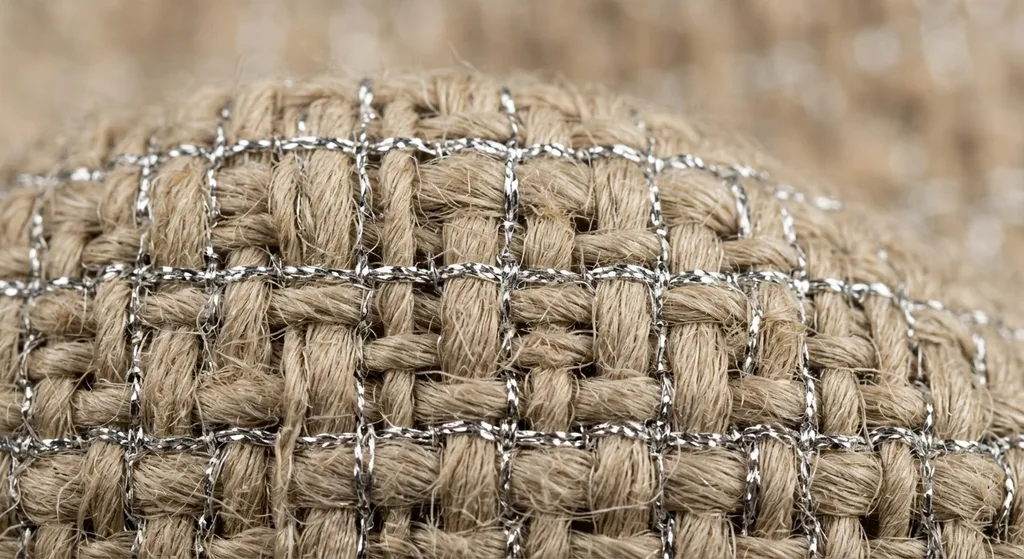
- Hemp blended with natural silver threads: Hemp is one of the most sustainable crops on earth, requiring little water and no pesticides. When fine-gauge natural silver wire is integrated into a hemp weave, the result is a fabric that combines the low environmental impact of hemp cultivation with the proven reflective properties of silver. Silver's natural antimicrobial qualities are an added benefit.
- Organic cotton with silver or copper integration: Certified organic cotton avoids synthetic pesticides and harsh chemical processing. When metallic threads are woven alongside organic cotton rather than synthetic yarn, the base fabric remains predominantly natural, lowering the overall carbon footprint of the finished textile.
- Bamboo-derived fabrics: Bamboo grows rapidly and sequesters carbon effectively. While bamboo fabric itself is not conductive, it is increasingly used as the comfort layer in multi-layer shielding systems, resting against the skin while a conductive layer faces outward.
The key insight is that "natural EMF shielding" usually means a fabric system that maximizes the proportion of renewable, sustainably sourced material while still incorporating the trace amounts of conductive metal needed to achieve measurable attenuation.
The Role of Naturally Occurring Metals in Sustainable Shielding
Silver and copper are the two metals most commonly incorporated into natural or sustainable shielding fabrics, and both have important ecological considerations.
Silver is highly effective at reflecting radiofrequency radiation. It is used in very small quantities per yard of fabric, meaning a little goes a long way. Responsibly sourced silver, including recycled silver, significantly reduces the mining impact associated with this material. Look for brands that disclose the origin of their metals and prioritize post-consumer or certified recycled sources.
Copper is another excellent conductor and reflector of EMF. It has a longer history of use in grounding and Faraday-cage applications. Copper also has a well-established recycling infrastructure, making it one of the more sustainable metal choices from a circular-economy standpoint.
Neither metal is "plant-based" in origin, but their recyclability, longevity, and the very small amounts required in fabric construction mean that silver- or copper-integrated organic fabrics can carry a credibly sustainable profile when produced responsibly.
How to Evaluate a Natural Shielding Fabric: Key Metrics
Shopping for natural EMF shielding fabrics can feel overwhelming, especially when marketing claims run ahead of verified data. Here are the criteria that matter most:
- Independent attenuation testing: Look for fabrics tested by an accredited third-party laboratory. The test report should specify the frequency range (e.g., 100 MHz to 10 GHz covers most common wireless signals) and the dB reduction achieved. A fabric offering 30 dB of shielding blocks roughly 99.9% of incident radiation in that frequency band.
- Natural fiber content percentage: A genuinely sustainable fabric will specify what percentage of its weight comes from natural or recycled sources versus virgin synthetic fiber. Higher natural content generally means a lower environmental impact.
- Certifications: GOTS (Global Organic Textile Standard) certification covers the organic agricultural fiber component. OEKO-TEX certification ensures no harmful substances are present in the finished textile. Neither certification is specific to shielding performance, but both signal responsible manufacturing practices.
- Washability and longevity: A shielding fabric that degrades quickly and must be replaced frequently is not truly sustainable. Quality construction with sealed or tightly woven metallic threads should maintain most of its attenuation through dozens of wash cycles when cared for correctly.
- Transparency about sourcing: Brands that publish their supply chain information, name their fabric mills, and disclose metal sourcing are demonstrating accountability that goes beyond typical greenwashing.
Practical Applications: Where Natural Shielding Fabrics Are Used
Sustainable shielding fabrics are not a single product category. They appear across a wide range of applications, each with its own performance requirements:
- Apparel: T-shirts, underwear, hoodies, and maternity garments using natural EMF shielding fabrics allow wearers to carry a layer of protection throughout the day without sacrificing comfort or aesthetic.
- Bed canopies and curtains: A shielding canopy over a bed can meaningfully reduce nighttime exposure to ambient radiofrequency radiation from nearby routers or cell towers. Organic cotton or hemp-blend canopy fabrics are popular in this category.
- Laptop and device pouches: Small pouches made from sustainable shielding fabric can block signals to and from devices when they are stored, reducing the EMF output reaching adjacent surfaces or the body.
- Home textiles: Wall panels, curtain liners, and under-desk mats made from shielding fabric can create lower-EMF zones in a workspace or bedroom.
Each application calls for a different balance of attenuation performance, drape, breathability, and durability. Understanding your primary use case before purchasing helps ensure you choose a fabric that serves you well long term.
Caring for Natural Shielding Fabrics
Even the best fabric will lose its effectiveness prematurely if it is not cared for correctly. Most natural shielding fabrics are hand-wash or gentle-machine-wash items. Harsh detergents, bleach, and high-heat drying can corrode or break fine metallic threads, reducing attenuation performance over time. Most manufacturers provide a specific care guide; following it carefully is the single most effective way to extend the functional life of your investment.
Storing shielding fabrics away from sharp objects, abrasive surfaces, or excessive folding along the same crease lines also helps preserve the integrity of the conductive grid. When properly maintained, a high-quality natural shielding fabric can retain the majority of its tested attenuation for several years of regular use.
Conclusion: Choosing Mindfully in a Wireless World
Natural EMF shielding is not a magical solution, and no fabric eliminates all electromagnetic exposure. What it represents is a thoughtful, precautionary approach: reducing unnecessary ambient exposure using materials that are kinder to both the wearer and the environment. By prioritizing fabrics with verified attenuation data, certified organic or recycled fiber content, and transparent supply chains, consumers can make purchases that align with their values around both wellness and sustainability.
As demand for sustainable shielding fabrics grows, manufacturers are innovating quickly. The field is moving toward higher natural content, lower-impact dyeing processes, and even closed-loop recycling programs for end-of-life fabrics. Staying informed and asking brands the right questions will help you find products that live up to their promises.
Editorial Team
Frequently asked questions
Can plant fibers alone provide EMF shielding without any metal?
Pure plant fibers like cotton, hemp, or linen are not electrically conductive on their own and do not provide significant EMF attenuation. Effective shielding requires a conductive element, typically fine silver or copper threads woven into the natural fiber base.
How do I know if a shielding fabric is actually working?
Look for a third-party attenuation test report from an accredited laboratory. The report should state the tested frequency range and the decibel reduction achieved. You can also use a personal RF meter to compare readings in a shielded versus unshielded environment.
Is natural EMF shielding fabric safe to wear directly against the skin?
Most natural shielding fabrics designed for apparel use skin-friendly fiber blends and should be free of harmful substances. Look for OEKO-TEX certification to confirm the fabric has been tested for harmful chemicals. If you have known metal sensitivities, check the specific metallic content with the manufacturer.
How often do I need to replace natural shielding fabric?
With proper care, a quality natural shielding fabric can retain most of its attenuation for several years. Factors that accelerate degradation include harsh washing, high heat drying, bleach, and physical abrasion of the conductive threads.
Does natural shielding fabric block all types of EMF?
No fabric blocks all types of electromagnetic fields. Most shielding fabrics are tested and effective against radiofrequency radiation in specific frequency bands. They are generally less effective against extremely low frequency (ELF) fields produced by power lines and household wiring.
Discussion
Join the conversation
Share your perspective and connect with other readers.