Conductive Textile: The Science, Sustainability, and Shielding Power Behind Smart Fabrics
Conductive textiles combine advanced fiber science and electromagnetic shielding principles to power everything from wearable health monitors to sustainable EMF-blocking fabrics, and this guide explains exactly how they work and what to look for when choosing one.
Conductive Textile: The Science, Sustainability, and Shielding Power Behind Smart Fabrics
From hospital gowns that monitor vital signs to jackets that block electromagnetic radiation, conductive textiles are quietly transforming the way we think about fabric. A conductive textile is any woven, knitted, or nonwoven material that can carry an electrical charge, shield against electromagnetic fields (EMF), or interact with electronic systems. As demand grows for wearable technology, sustainable manufacturing, and responsible EMF protection, understanding what makes a fabric conductive, and how those properties can be achieved responsibly, has never been more relevant.
This guide breaks down the science behind conductive textiles, explores the materials and methods used to create them, examines their role in sustainable shielding applications, and helps you make informed decisions when choosing a conductive fabric for your needs.
What Makes a Textile Conductive?
Standard fabrics, whether cotton, polyester, or wool, are electrical insulators. They resist the flow of electrons. A conductive textile, by contrast, has been engineered to allow electrons to move through it. This conductivity is measured in ohms per square (sheet resistance), and the lower the resistance, the more conductive the material.
Conductivity is introduced into fabric through several primary mechanisms:
- Metal-coated fibers: Individual fibers are coated with a thin layer of silver, copper, nickel, or gold through electroless plating or physical vapor deposition. The base fiber, often nylon or polyester, retains its flexibility while the metal coating carries current.
- Intrinsically conductive polymers: Organic polymers such as polyaniline or polypyrrole are chemically structured to conduct electricity without any metal component, making them attractive for lightweight and fully synthetic applications.
- Carbon-based additives: Graphene, carbon nanotubes, and carbon black are increasingly used to impart conductivity. These materials are notable for their low weight, chemical stability, and compatibility with sustainable production goals.
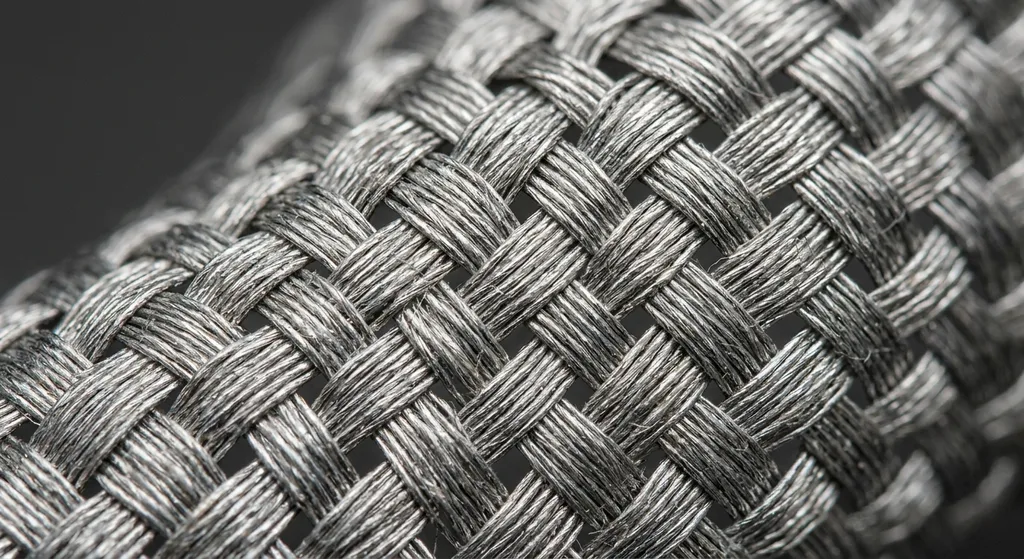
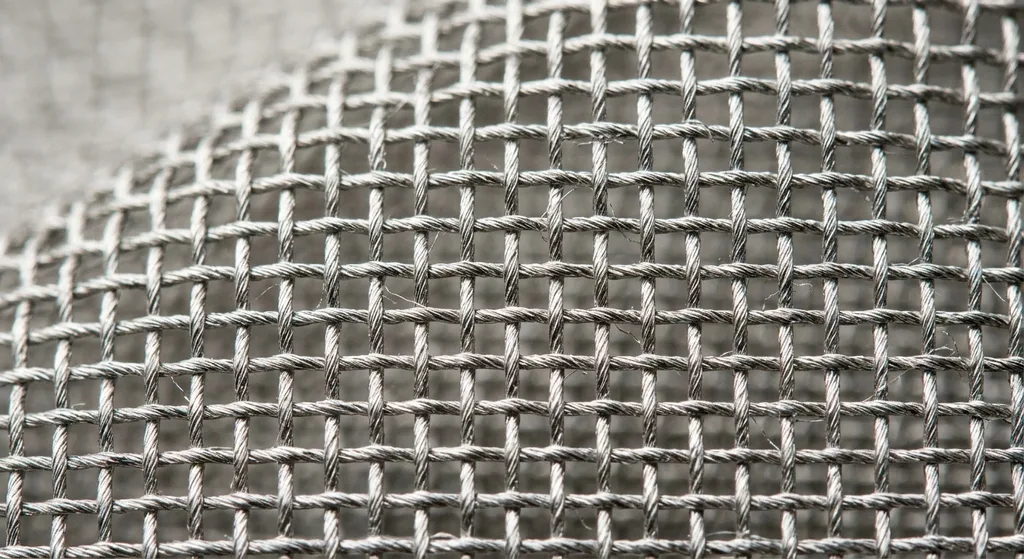
- Woven or knitted metal yarns: Stainless steel, silver, or copper filaments are blended directly into the yarn structure during spinning or weaving, creating a fabric with conductivity built into its structural core rather than applied as a surface treatment.
Each approach produces different levels of conductivity, flexibility, durability, and washability, factors that matter enormously when selecting a fabric for a specific end use.
How Conductive Textiles Provide Electromagnetic Shielding
One of the most commercially significant applications of conductive textiles is electromagnetic shielding, also called EMF shielding or RF (radio frequency) shielding. The principle behind this function is straightforward: when electromagnetic waves encounter a conductive surface, the free electrons in that surface redistribute in response to the incoming electric field, effectively reflecting or absorbing the wave rather than allowing it to pass through.
This phenomenon, described by Faraday's law and quantified as shielding effectiveness (SE), is typically expressed in decibels (dB). A fabric with 30 dB of shielding effectiveness blocks approximately 99.9% of incoming electromagnetic energy at a given frequency. Fabrics engineered for military, medical, or industrial use may achieve 60 dB or higher.
The effectiveness of a shielding textile depends on several variables:
- Fiber density and weave tightness: A tighter weave leaves fewer gaps for electromagnetic energy to pass through, improving shielding at higher frequencies.
- Metal type and coating thickness: Silver offers the highest conductivity of any metal, while copper provides a cost-effective alternative with strong broadband performance.
- Layering: Multiple layers of conductive fabric can dramatically increase shielding effectiveness and help address specific frequency ranges.
- Grounding: In many industrial and architectural applications, the conductive textile must be electrically grounded to function as intended.
It is important to note that while conductive textiles can reduce exposure to certain electromagnetic fields, individual results vary based on the specific frequencies present, the garment's fit, and how the fabric is used. No textile eliminates all electromagnetic exposure, and for specific health concerns, consultation with a qualified medical professional is always recommended.
Sustainable Approaches to Conductive Textile Manufacturing
The intersection of conductivity and sustainability is one of the most exciting frontiers in advanced materials science. Traditional metal-plating processes can generate hazardous chemical waste and rely on heavy metals that raise environmental and regulatory concerns. The industry is actively developing greener alternatives.
Key sustainable innovations include:
- Silver-coated recycled fibers: Some manufacturers now apply conductive silver coatings to yarn spun from recycled polyester or nylon, combining EMF shielding performance with reduced virgin material use.
- Graphene integration: Graphene, derived from carbon, can be produced with a significantly lower environmental footprint than silver or copper coatings and produces fabrics that are lightweight, flexible, and washable.
- Bio-based conductive polymers: Research groups are exploring lignin, cellulose, and other bio-derived precursors to create conductive coatings that avoid petrochemical inputs entirely.
- Waterless dyeing and finishing: Some facilities that produce conductive textiles have adopted supercritical CO2 finishing processes, eliminating water use from certain production steps.
- Recyclability by design: Because conductive fabrics often blend metals with polymers, end-of-life recyclability has historically been challenging. Newer design frameworks are beginning to separate metal content for recovery rather than landfilling the entire fabric system.
When evaluating a conductive textile for purchase, look for transparency about the coating chemistry, third-party testing certifications, and any documented take-back or recycling programs offered by the manufacturer.
Key Applications of Conductive Textiles Today
Conductive textiles are no longer confined to laboratories or military research programs. They appear in a wide and growing range of consumer, commercial, and industrial products.
Wearable Technology
Smartwatches and fitness bands are well-known wearables, but conductive textiles enable a far more integrated form of wearable computing. Garments woven with conductive yarns can serve as flexible circuit boards, routing signals from biosensors sewn into the fabric to processing units embedded in pockets or waistbands. This approach opens the door to continuous, non-invasive health monitoring without the rigidity of traditional electronics.
Medical and Healthcare Textiles
In clinical settings, conductive textiles support wound-care dressings that use mild electrical stimulation to promote tissue regeneration, as well as patient monitoring garments that track ECG signals, respiration rate, and temperature. These applications are subject to rigorous regulatory oversight, and any medical claims associated with specific products should be verified through the appropriate healthcare channels.
Architectural and Interior Shielding
Conductive fabric panels, curtains, and wall coverings are increasingly used in sensitive electronic environments such as server rooms, financial trading floors, and government facilities where radio frequency interference must be minimized. These textiles can also be incorporated into window treatments in residential settings where occupants seek to reduce ambient wireless radiation, though independent testing of specific installations is advisable.
Protective Workwear
Workers in high-voltage electrical environments rely on static-dissipative and conductive workwear to prevent dangerous charge buildup. Conductive fabrics used in these garments must meet specific industry standards and are regularly tested for resistance values to ensure ongoing compliance.
Aerospace and Defense
Lightweight conductive textiles play a role in aircraft interiors, soldier uniforms with integrated communication systems, and shielding for sensitive avionics components. In these contexts, weight savings offered by fabric-based solutions over metal panels translate directly into fuel efficiency and operational flexibility.
Choosing the Right Conductive Textile for Your Application
Selecting a conductive textile requires careful consideration of the performance specifications your application demands alongside practical factors like durability and care requirements. Here is a practical framework:
- Define your target frequency range. A fabric optimized for low-frequency magnetic shielding behaves very differently from one designed to block high-frequency Wi-Fi or 5G signals. Confirm that any shielding textile you consider has been tested at the frequencies relevant to your use case.
- Check the sheet resistance value. Suppliers should provide measured ohms-per-square data. Lower values indicate higher conductivity. For most EMF shielding applications, fabrics with sheet resistance below 1 ohm per square are considered high-performance.
- Assess washability and durability. Metal coatings can degrade with repeated washing, especially in hot water or with abrasive detergents. Look for independently tested wash-cycle durability data before purchasing for garment applications.
- Evaluate environmental credentials. Ask suppliers for safety data sheets, restricted substance compliance (such as REACH in Europe or OEKO-TEX certification), and any environmental management certifications held by the manufacturing facility.
- Consider the end-use environment. Moisture, salt, acids, and mechanical abrasion all affect the long-term performance of conductive coatings. Choose a fabric whose protective finish is suited to the conditions it will encounter.
The Future of Conductive Textiles in Sustainable Shielding
The trajectory for conductive textiles points toward higher performance with lower environmental cost. Researchers are developing self-healing conductive coatings that repair minor abrasion damage autonomously, extending product lifespans and reducing replacement waste. Printed electronics technologies are enabling finer, more precise conductive patterns to be applied to fabric substrates with less material waste than conventional coating methods.
At the same time, regulatory frameworks around electromagnetic emissions and worker safety continue to evolve globally, creating new market demand for validated shielding solutions. Brands that invest now in transparent testing, sustainable supply chains, and clear performance communication will be well-positioned as both consumer awareness and regulatory scrutiny increase.
Conclusion
Conductive textiles represent a convergence of materials science, electronics, sustainability, and everyday human need. Whether the goal is to build a smarter garment, protect sensitive equipment from interference, or reduce occupational electrical hazards, the right conductive fabric makes a measurable difference. By understanding the science of conductivity, the mechanics of electromagnetic shielding, and the evolving landscape of sustainable production, you can navigate this rapidly advancing field with confidence and make purchasing decisions grounded in real performance data rather than marketing claims.
Editorial Team
Frequently asked questions
What is a conductive textile?
A conductive textile is a fabric engineered to carry electrical current or block electromagnetic fields. Conductivity is achieved by incorporating metal-coated fibers, conductive polymers, carbon-based materials, or metal yarns directly into the fabric structure.
How is shielding effectiveness measured in conductive fabrics?
Shielding effectiveness is expressed in decibels (dB). A fabric rated at 30 dB blocks approximately 99.9% of electromagnetic energy at a tested frequency. Higher dB values indicate greater shielding performance.
Are conductive textiles safe to wear?
Most conductive textiles designed for consumer use are formulated to meet safety standards such as OEKO-TEX or REACH compliance. Always check a product's documentation and, for health-related concerns, consult a qualified medical professional.
Can conductive textiles be washed?
Washability varies by product. Metal-coated fabrics can degrade with repeated hot-water washing or harsh detergents. Look for independently tested wash-cycle durability data specific to the fabric you are considering.
What makes a conductive textile sustainable?
Sustainable conductive textiles may use recycled fiber bases, low-impact coating processes, graphene or bio-derived conductors instead of heavy metals, and transparent chemical safety documentation. Recyclability at end of life is also an emerging consideration.
Discussion
Join the conversation
Share your perspective and connect with other readers.