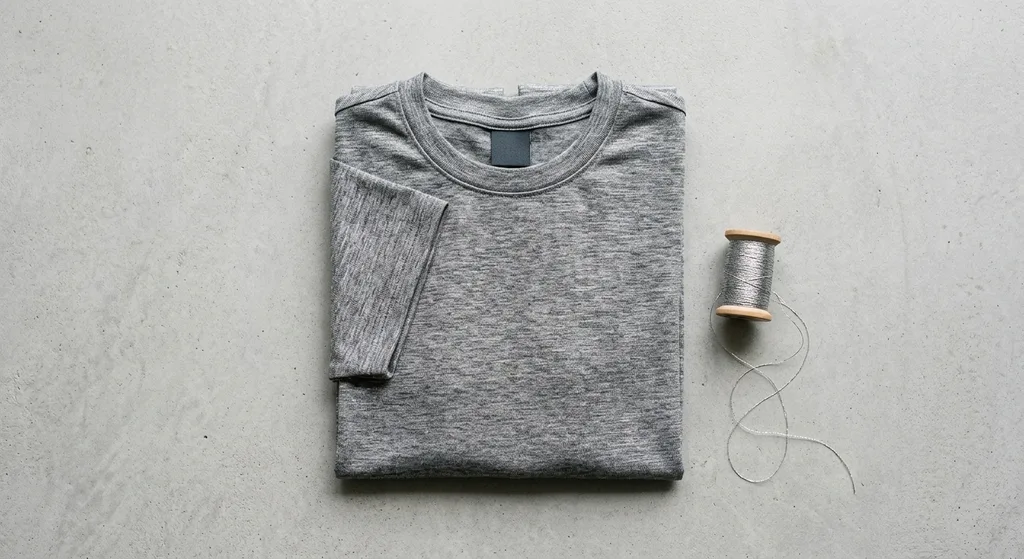
EMF Blocking Apparel: What It Is, How It Works, and What to Look for When Shopping
EMF blocking apparel uses conductive silver and copper threads to reduce radiofrequency exposure, and this guide explains how the technology works, what types are available, and what to look for when choosing a garment.
EMF Blocking Apparel: What It Is, How It Works, and What to Look for When Shopping
We live in a world saturated with wireless signals. From Wi-Fi routers and 5G towers to smartwatches and Bluetooth earbuds, radiofrequency electromagnetic fields (RF-EMF) are now a constant background feature of daily life. As awareness of this environment has grown, so has interest in a practical category of protective clothing known as EMF blocking apparel. These garments are designed to reduce the amount of electromagnetic radiation that reaches the body, using specialized fabrics woven with conductive metals.
Whether you are a frequent traveler, someone who works near wireless equipment all day, or simply a person who prefers a precautionary approach to EMF exposure, understanding how this clothing works can help you make a more informed decision before you buy.
What Is EMF Blocking Apparel?
EMF blocking apparel refers to any wearable garment, including shirts, hoodies, hats, underwear, and blankets worn on the body, that incorporates conductive fibers capable of attenuating electromagnetic fields. The most common materials used in these fabrics include silver, copper, and stainless steel threads that are woven or knitted directly into the textile base, which is often cotton, bamboo, or a synthetic blend.
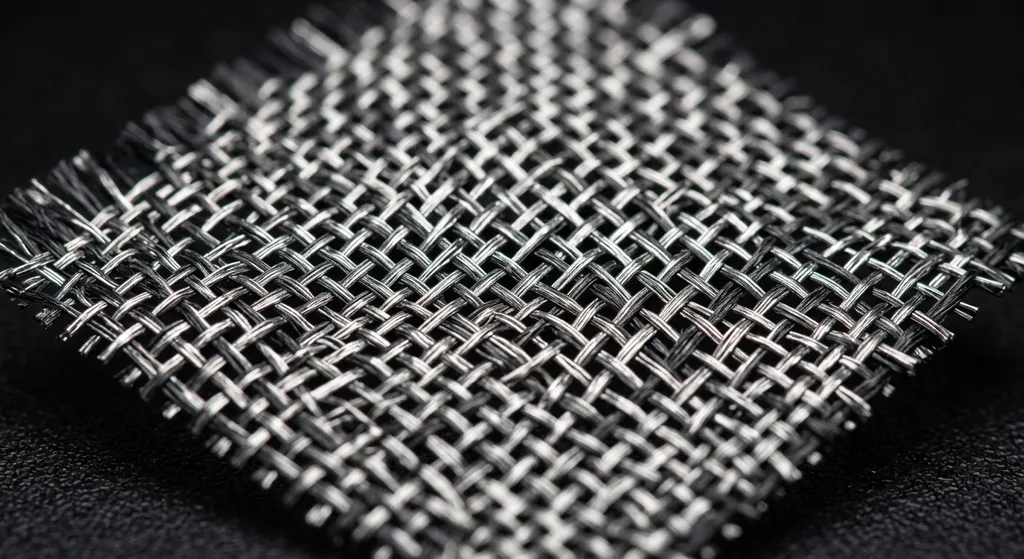
The resulting fabric behaves similarly to a Faraday cage on a small scale. A Faraday cage is a mesh of conductive material that blocks or redistributes electromagnetic fields around the interior space it encloses. When woven into clothing, conductive threads create an interlocking network that intercepts incoming EMF waves and redirects their energy along the surface of the fabric rather than allowing it to pass through to the skin.
It is important to note that this category of apparel is designed to reduce exposure rather than eliminate it entirely. No wearable garment can block 100 percent of EMF radiation from all directions simultaneously, since the body remains partially exposed through openings in clothing and from fields originating beneath the fabric itself.
How the Shielding Technology Works
The science behind EMF blocking fabrics centers on a concept called attenuation, which describes how much a material reduces the strength of an incoming electromagnetic signal. Attenuation is measured in decibels (dB). A fabric rated at 30 dB, for example, reduces signal power to about one one-thousandth of its original strength, which translates to a shielding effectiveness of roughly 99.9 percent for that specific frequency range.
Key variables that affect how well a fabric performs include:
- Fiber type and purity: Pure silver threads generally offer superior conductivity compared to silver-coated synthetic fibers, though both can be effective.
- Thread density: The finer and more closely spaced the conductive threads, the smaller the gaps in the shielding mesh, which improves performance at higher frequencies such as 5G millimeter wave.
- Fabric construction: Knit fabrics may stretch and create micro-gaps; woven fabrics tend to maintain more consistent spacing between threads during wear.
- Frequency range: Most tested EMF fabrics perform well in the common RF range of 100 MHz to 10 GHz, which covers Wi-Fi, 4G LTE, and most 5G bands. Performance at extremely low frequencies (ELF), such as those emitted by power lines, requires different shielding materials and is typically not addressed by standard EMF clothing.
Common Types of EMF Blocking Garments
The market now offers a wide variety of EMF protective clothing for different use cases and body areas. Here is a look at the most widely available options:
- Shirts and base layers: Long-sleeve and short-sleeve shirts designed for everyday wear or athletic use. These are among the most popular items because they cover a large portion of the torso and arms.
- Hoodies and jackets: Heavier outerwear that often includes shielded hoods, providing additional coverage for the head and neck.
- Hats and beanies: Head coverings that incorporate conductive fabric, often chosen by people who are concerned about exposure from nearby cell towers or who spend significant time on phone calls.
- Underwear and shorts: Garments designed to shield the reproductive area, frequently purchased by people who keep smartphones in their pockets or use laptops on their laps.
- Maternity wear: Belly bands and maternity tops with shielding panels, marketed to expectant parents who prefer a precautionary approach during pregnancy.
- Gloves and socks: Niche items that provide coverage for extremities, sometimes used by people with heightened sensitivity to electromagnetic environments.
What to Look for When Shopping
With dozens of brands now competing in this space, it can be challenging to separate well-made products from those that merely claim shielding properties without credible evidence. Keep these criteria in mind as you evaluate options:
- Third-party lab testing: Look for products that provide test certificates from accredited independent laboratories. Common test standards include IEEE 299, ASTM D4935, and the European EN 13758 series. A brand that publishes actual attenuation values for specific frequency ranges is far more transparent than one making vague percentage claims.
- Frequency coverage: Confirm that the garment has been tested across the frequencies relevant to your daily environment. If you are primarily concerned about Wi-Fi (2.4 GHz and 5 GHz), 4G (700 MHz to 2.1 GHz), or 5G sub-6 GHz bands, verify those specific ranges appear in the test data.
- Wash durability: Conductive fibers can degrade over time with repeated washing. Check whether the brand provides guidance on how many wash cycles the fabric retains its rated shielding effectiveness, and what washing method preserves the material best.
- Fabric composition and comfort: A garment you find uncomfortable will end up in a drawer. Look for blends that balance conductive fiber content with breathable natural materials like organic cotton or bamboo. Moisture-wicking options are available for those who wear EMF clothing during exercise.
- Transparency and brand credibility: Reputable brands will list the percentage of conductive fiber in their fabric, provide care instructions specific to metallic threads, and make their testing documentation available on request.
Practical Tips for Getting the Most from EMF Blocking Clothing
Once you have selected a garment, a few simple habits can help you maintain its effectiveness and get the most out of your investment:
- Wash in cold water on a gentle cycle and avoid fabric softeners, which can coat and insulate conductive fibers, reducing their ability to conduct and redirect EMF.
- Air dry rather than using a tumble dryer, since high heat and mechanical agitation can stretch and break metallic threads over time.
- Store folded rather than hanging to prevent the fabric from stretching at the shoulders and creating gaps in the conductive mesh.
- Layer strategically. Wearing an EMF blocking base layer under a standard outer garment still provides meaningful coverage for the torso, even if the outer layer offers no shielding properties.
- Combine apparel with other precautionary habits, such as using speakerphone or wired earbuds during calls, keeping devices out of pockets when not in use, and placing your router away from sleeping areas.
A Note on Health Claims and the Current State of Research
It is worth approaching the health dimension of this topic with care and honesty. Regulatory agencies including the Federal Communications Commission (FCC) and the World Health Organization (WHO) have not classified radiofrequency EMF from consumer devices as a confirmed health hazard at exposure levels within current guidelines. However, ongoing research continues to examine potential long-term effects, and some scientists advocate for a precautionary approach, particularly for vulnerable populations such as children and pregnant people.
EMF blocking apparel should be understood as a lifestyle and precautionary product, not as a medical device or treatment for any health condition. Reputable brands in this category do not make medical claims, and consumers should be cautious of any company that promises specific health outcomes from wearing their products. If you have concerns about EMF sensitivity or related health questions, speaking with a qualified healthcare provider is always the appropriate first step.
Conclusion
EMF blocking apparel represents a thoughtful intersection of textile engineering and everyday wellness. By incorporating conductive silver, copper, or stainless steel threads into wearable fabrics, these garments offer a measurable reduction in radiofrequency exposure for people who want a practical, precautionary layer between themselves and the wireless signals that define the modern environment. Choosing wisely means prioritizing third-party tested products with transparent attenuation data, realistic expectations, and durable construction that holds up to regular wear and washing. As our connected world continues to expand, well-made EMF blocking clothing is likely to become an increasingly mainstream feature of the health-conscious wardrobe.
By the Editorial Team
Frequently asked questions
What frequencies do EMF blocking clothes actually shield against?
Most tested EMF blocking fabrics perform well across the radiofrequency range of roughly 100 MHz to 10 GHz, which covers common sources such as Wi-Fi (2.4 GHz and 5 GHz), 4G LTE, and sub-6 GHz 5G. Extremely low frequency (ELF) fields from power lines require different shielding materials and are generally not addressed by standard EMF apparel.
How do I know if an EMF blocking garment actually works?
Look for products that provide test certificates from accredited independent laboratories using recognized standards such as ASTM D4935 or IEEE 299. Reputable brands publish specific attenuation values in decibels for named frequency ranges rather than making vague percentage claims.
Will washing my EMF blocking shirt reduce its effectiveness?
Repeated washing can degrade conductive fibers over time. To maintain shielding performance, wash in cold water on a gentle cycle, skip fabric softeners, and air dry the garment rather than using a tumble dryer.
Is EMF blocking apparel safe to wear every day?
Garments made with silver or copper threads are generally considered safe for regular wear. However, individuals with metal sensitivities or allergies should review the fabric composition carefully and consult a healthcare provider if they have concerns.
Does EMF blocking clothing eliminate all radiation exposure?
No. EMF blocking apparel reduces, rather than eliminates, radiofrequency exposure. The body remains partially exposed through clothing openings and from signals that originate in directions not fully covered by the garment.
Discussion
Join the conversation
Share your perspective and connect with other readers.